Category

Sign Up for Our Newsletter
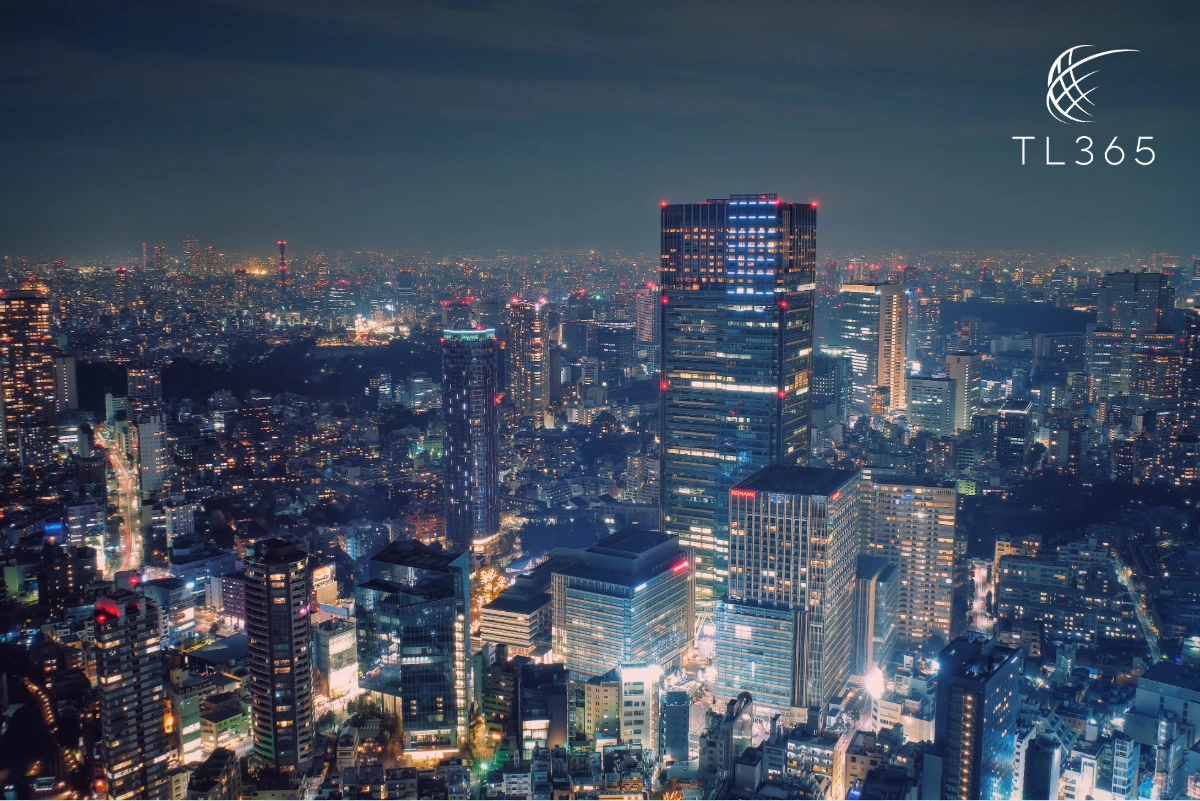
How to Build a Business Trip to Tokyo That Doubles as the Best Vacation of Your Life
Tokyo is the world’s most forgiving city for the bleisure traveler — the business person who arrives with a calendar full of meetings and leaves, somehow, having had the best trip of their adult life. It is a city that rewards early mornings, punishes late checkout, operates on a logic of quality and refinement that maps almost perfectly onto the values of the traveler who takes both work and pleasure seriously, making it ideal for Tokyo bleisure travel guide planning.
The architecture of a successful Tokyo business trip is simple in structure and rewarding in execution: arrive two days before your meetings begin, leave two days after they end. Use those buffer days correctly, and you will understand why Tokyo remains the most-returned-to city in the world for travelers who know it.
Where to Stay: The Hotel Question
Tokyo’s luxury hotel landscape in 2026 is better-supplied than any other city in Asia, and the choice between properties is genuinely consequential.
The Aman Tokyo occupies the top six floors of the Otemachi Tower and operates at a register of calm that is unlike any other urban hotel in the world. The lobby – nine stories of Japanese paper and stone, flooded with natural light from a wall of windows facing the Imperial Palace – is where the tone is set: composed, spatial, almost silent. For the business traveler arriving off a long-haul flight and walking directly into a full meeting schedule, this kind of environmental decompression is not a luxury. It is a functional requirement. Breakfast in the lounge before a morning meeting, and the day begins differently.
The Peninsula Tokyo in Hibiya is the operational traveler’s choice: impeccable service infrastructure, a location that connects Ginza, Marunouchi, and the governmental district with equal efficiency, and a room product that accommodates work, rest, and preparation for all three without compromise. The spa floor, three restaurants, and the helipads (metaphorically – the sense of command the property projects) make it the closest thing Tokyo has to a five-star command center.
Hoshinoya Tokyo provides the counterpoint: a ryokan experience stacked vertically in a tower in Otemachi, each floor organized around the traditional Japanese inn model, with kaiseki dinner, hot spring bathing, and a morning ritual that includes seated tea preparation. For the traveler who wants their Tokyo trip to be culturally integrative rather than just comfortable, Hoshinoya is the reservation that changes the nature of the stay.
The Meeting Day Protocol
Tokyo rewards the business traveler who understands its logic. Meetings start on time. Business cards are exchanged with both hands and treated as significant objects – carry them, handle them carefully, read them before pocketing them. Lunch during a business engagement in Tokyo is typically more substantive than the Western equivalent: allow time, accept recommendations, and understand that the choice of restaurant communicates something about the relationship.
Taxis in Tokyo are exceptionally reliable, clean, and honest. Build 15 extra minutes into any cross-city movement regardless of Google Maps’ confidence. The subway is faster for short distances but requires navigation investment – most business travelers in central Tokyo find that a combination of taxi and on-foot movement serves the meeting calendar best.
The Buffer Days: What to Do Before and After
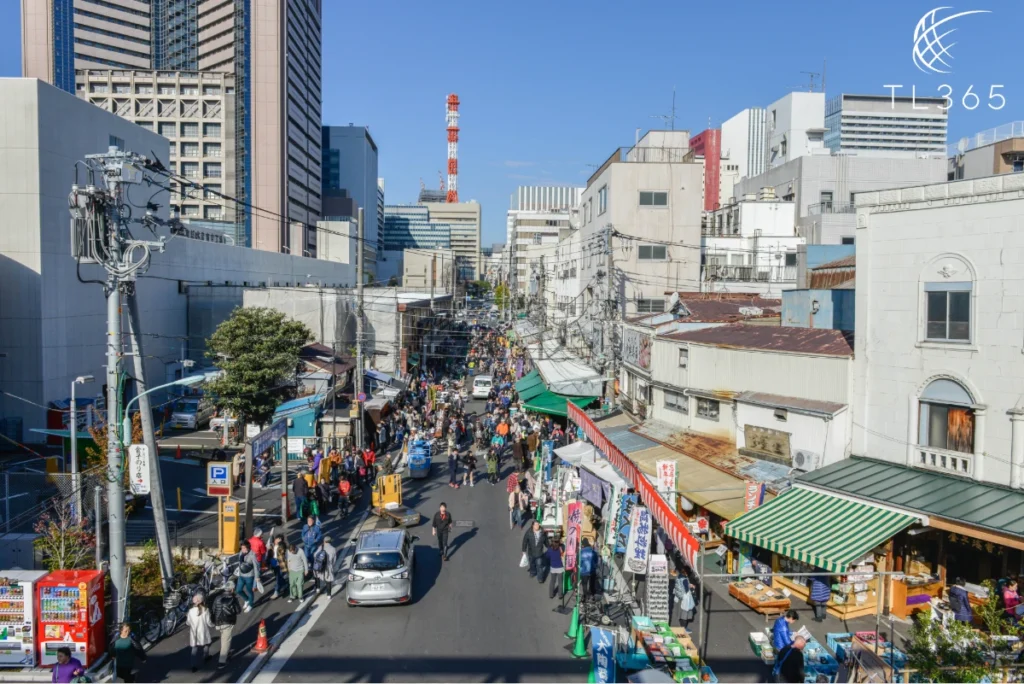
Tsukiji Outer Market at 6am on the first free morning is not optional. The inner market has moved to Toyosu; the outer market remains, concentrated, alive, and serving breakfast seafood at a level that reorients everything you thought you knew about morning eating. A bowl of fresh tuna don before 7am, standing at a counter with Tokyo waking up around you, is one of the most clarifying experiences available in a major city.
The Nezu Museum in Aoyama, for the collection of pre-modern Japanese and East Asian art and for the garden behind it – four acres of traditional landscape in the middle of Tokyo’s most fashion-conscious neighborhood, where the distance between Hermès and an 18th-century bronze becomes suddenly, usefully instructive.
A private cooking class through services like Cookly or with a hotel concierge connection – focused specifically on dashi preparation or knife technique – is two hours that will genuinely change how you cook at home. Tokyo culinary culture is one of the few places where the gap between what professionals do and what the home cook is taught is actively, generously shared.
Dinner at a counter omakase restaurant on the last evening is the reservation that the entire trip should build toward. Book through the hotel concierge eight weeks in advance. Budget ¥30,000–50,000 per person. Arrive exactly on time. Say nothing about dietary restrictions that aren’t genuine medical requirements. Accept everything. This is the meal you’ll describe for years, and one of the finest outcomes of business travel Tokyo luxury planning.
The Tokyo business trip that doubles as a great holiday isn’t a trick or a scheduling optimization. It’s the recognition that the city is exceptional enough to meet two different kinds of need – professional performance and genuine wonder – without either one compromising the other.
Back to Blog